
This site is no longer active!
If you are the owner, you must reactive this site for it to be published again
or contact us at support@rebolthq.com

If you are the owner, you must reactive this site for it to be published again
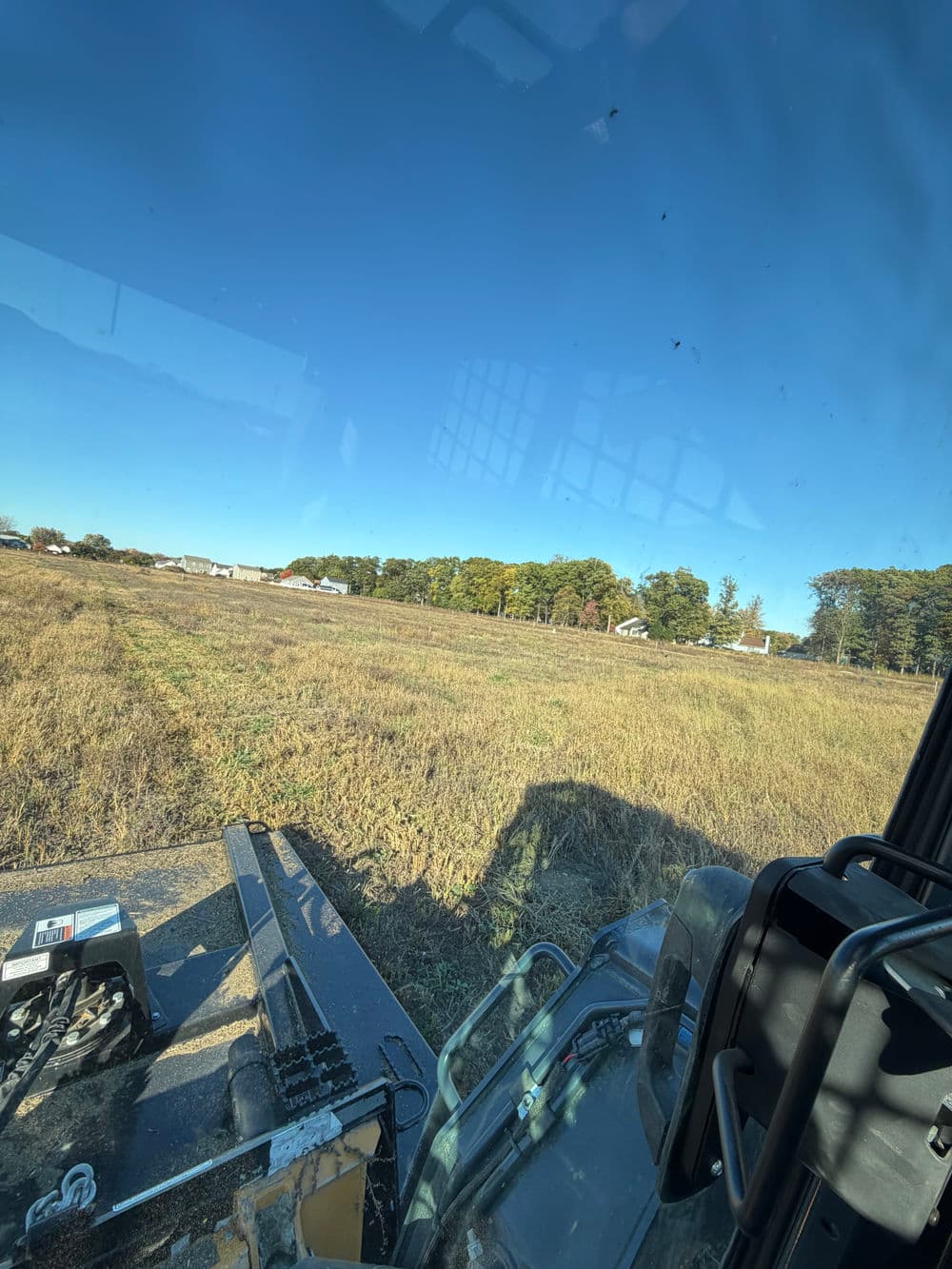
We reinforce weak soil, reduce erosion, and create a stable base for safer, longer-lasting projects.
At SolidGround Erosion Control & Trucking LLC, soil stabilization is one of the most important services we provide. When soil is too loose, too wet, too dusty, or too weak to support traffic and construction activity, projects can slow down fast. Unstable ground causes rutting, washouts, muddy access roads, poor drainage, unsafe working conditions, and early surface failure. We help fix those problems by improving the strength and performance of the existing soil, so your site is safer, more reliable, and ready for the next phase of work.
Soil stabilization is the process of changing the physical properties of soil so it performs better under load and in changing weather conditions. Depending on the site, that can mean drying wet subgrade, increasing load-bearing capacity, reducing erosion, limiting dust, improving compaction, or creating a more stable working platform for heavy equipment. This service is often used on construction sites, access roads, building pads, utility corridors, drainage areas, and other disturbed ground where natural soil conditions are not good enough on their own.
Weak or saturated soil can create major delays and added cost. Equipment gets stuck. Imported stone disappears into soft subgrade. Surfaces pump under traffic. Rain turns the site into mud. Even if work continues, the finished result may not last. Stabilization helps solve those issues at the source. By improving the soil already on site, we can often reduce the need for over-excavation and expensive replacement material. That saves time, controls costs, and creates a more dependable base for paving, grading, and structural work.
Soil stabilization also plays a big role in erosion control and stormwater management. Bare, loose soil is highly vulnerable to runoff, sediment loss, and slope failure. A stabilized surface resists movement better, holds up longer, and supports the success of nearby erosion and sediment control measures. In many situations, this service is part of a bigger site strategy that protects both the project and the surrounding property.
We approach each project based on actual field conditions, not guesswork. Our soil stabilization service can include evaluation of subgrade conditions, site preparation, moisture management, blending of approved materials, compaction, grading, and final shaping of the area. The exact process depends on the type of soil, the intended use of the area, drainage conditions, traffic loads, and the overall construction schedule.
We perform soil stabilization for a wide range of residential, commercial, agricultural, and construction-related needs. Some of the most common uses include preparing pads for buildings or storage areas, stabilizing haul roads and equipment paths, improving soft subgrade before gravel or pavement installation, strengthening utility trench backfill zones, reducing mud in staging areas, and improving disturbed ground that is prone to erosion. It is also a practical solution for temporary work platforms where crews need stable access during active construction.
On many projects, stabilization is not just about strength. It is also about performance over time. A properly stabilized base can help reduce maintenance, limit surface breakdown, improve drainage performance, and support better long-term results for roads, lots, and work areas.
One of the biggest advantages of soil stabilization is that it makes better use of the material already on site. Instead of removing large volumes of unsuitable soil and hauling in full replacement stone or fill, we improve the soil in place when conditions allow. That can lead to faster production, fewer trucking demands, and lower material costs. It also helps keep the project moving when wet weather would otherwise shut the site down.
We start by understanding what the site needs to do. A parking area, access road, building pad, and drainage swale all have different performance demands. We look at the soil condition, moisture level, grading, and expected traffic to choose a stabilization method that fits the job. From there, we prepare the area, perform the blending and treatment work, compact the material, and fine-grade the finished surface so it is ready for the next phase.
We focus on practical results in the field. That means paying attention to weather, site drainage, production timing, and how the area will actually be used. Our team works to create a surface that holds up, drains correctly, and supports the broader project goals. Because we also understand erosion control, grading, and trucking logistics, we can coordinate soil stabilization as part of a complete site solution instead of treating it like a standalone task.
You may need soil stabilization if your site stays muddy after rain, heavy equipment leaves deep ruts, base stone disappears into soft ground, slopes are sloughing off, or the subgrade fails proof rolling or compaction. It is also worth considering when imported aggregate costs are rising, when access is limited, or when the schedule does not allow for major undercut and replacement. In many cases, stabilization is the more efficient path to a workable site.
This service is especially valuable early in a project, before pavement, concrete, structures, or final surface materials are installed. Solving subgrade problems at the beginning helps prevent expensive repairs and delays later on. A stable foundation supports everything that comes after it.
Customers call us because they need real field experience, not a one-size-fits-all answer. We understand how unstable soil affects schedules, budgets, and site safety. We know how to spot problem conditions, recommend practical solutions, and carry out the work with the equipment and coordination the job requires. Our goal is simple: give you a stable, usable surface that helps your project move forward with fewer setbacks.
We take pride in clear communication, dependable service, and work that is built around actual jobsite conditions. Whether you need soil stabilization for access, erosion resistance, pad preparation, or subgrade improvement, we are ready to help you plan the right approach and get the work done right.
If your site has soft ground, muddy conditions, weak subgrade, or erosion-prone soil, we can help. Contact SolidGround Erosion Control & Trucking LLC to discuss your project, request a quote, and find out if soil stabilization is the right solution for your property or jobsite. We are ready to help you create a stronger, safer, and more dependable surface.
At SolidGround Erosion Control & Trucking LLC, we make soil stabilization simple, clear, and dependable. Our process is built to control erosion, improve site strength, and keep your project moving with the right plan from start to finish.
We start with a site visit to inspect slope, drainage, soil type, traffic demands, and erosion risks. Then we build a clear stabilization plan with the right method, material quantities, and timeline so you know exactly what to expect before work begins.
Next, we prepare the area by grading, removing weak spots, and correcting drainage issues that can cause future failure. We then install the selected stabilization treatment, whether that means lime, cement, aggregate, or other proven solutions, for a firm and durable base.
After treatment, we compact and fine-tune the surface to meet the project standard and create long-term stability. Before we wrap up, we perform a final walkthrough, confirm the area is holding properly, and make sure you feel confident in the finished result.
Common questions we hear from property owners, builders, and site managers about keeping soil in place, reducing washouts, and protecting project timelines.
Contact SolidGround Erosion Control & Trucking LLC now to stop erosion, protect your investment, and keep work moving.