

This site is no longer active!
If you are the owner, you must reactive this site for it to be published again
or contact us at support@rebolthq.com

If you are the owner, you must reactive this site for it to be published again
Book silt fence installation now to stay compliant, control sediment, and avoid costly delays.
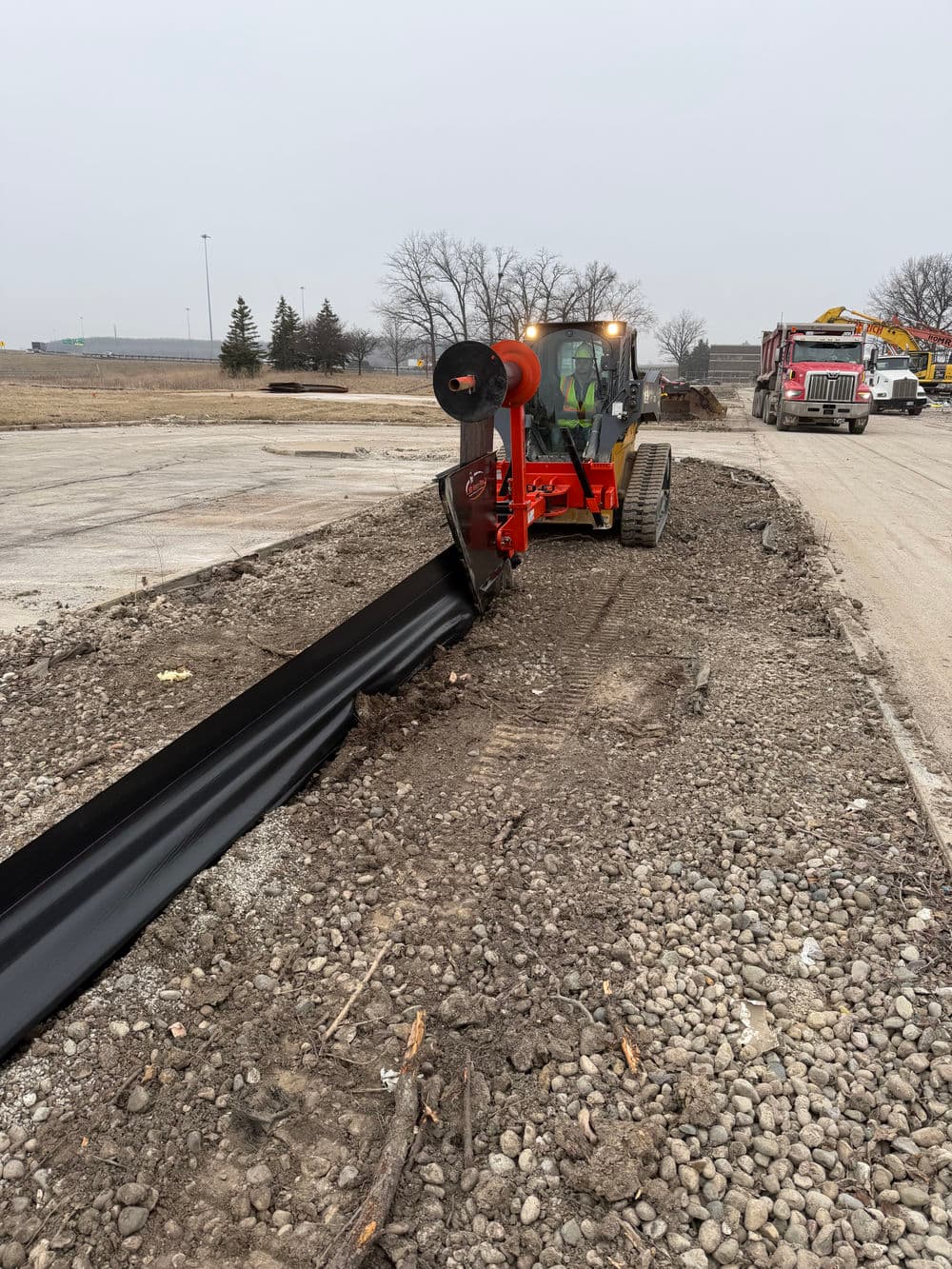
We install strong sediment barriers that help control runoff, protect your site, and keep your project compliant.
We keep silt fence installs simple, fast, and built for real jobsite performance. Our process focuses on code compliance, runoff control, and clear communication so your project stays protected from the first walkthrough to final inspection.
We start with a site visit to review drainage flow, slopes, soil conditions, and sensitive down-slope areas. Then we map the best silt fence line for sediment control, check local ESC requirements, and give you a clear quote and schedule, often within 1 to 2 business days.
Our crew installs the silt fence with proper trenching, fabric embedment, post spacing, and tie-ins so it holds up on active sites and during rain events. We protect key low points, construction entrances, and perimeter edges while keeping disruption to your project as low as possible.
After installation, we walk the line, tighten weak spots, and confirm the fence is ready to manage stormwater runoff and sediment retention. We also explain basic maintenance, inspection points, and repair timing so you stay compliant and avoid preventable erosion issues as the job moves forward.
At SolidGround Erosion Control & Trucking LLC, we install silt fence systems that help keep sediment on your site and out of streets, storm drains, ponds, creeks, and neighboring properties. This is one of the most common and important best management practices used on construction sites, grading projects, utility work, road work, land clearing, and other disturbed areas. When soil is exposed, rain can move that sediment fast. A properly installed silt fence helps slow runoff, filter sediment, and support compliance with erosion and sediment control requirements.
We handle silt fence installation for residential, commercial, agricultural, and light civil projects. Whether you need a short run around a home build or perimeter protection for a larger development, we plan the layout based on the grade, drainage flow, disturbed acreage, and site access. Our goal is not just to put fabric in the ground. We install the right control in the right location so it performs when the weather turns bad.
Silt fence is a temporary sediment control barrier made from geotextile fabric attached to wood or steel posts and keyed into the ground. It is designed to intercept sheet flow, slow water down, and allow suspended soil particles to settle out before runoff leaves the work area. Silt fence is not meant to dam large volumes of water or handle concentrated flow like a ditch or channel. It works best when it is placed along contours and used where runoff spreads out evenly across the fence line.
When installed correctly, a silt fence system can help:
We install silt fence in many types of applications, including:
Every site is different. Some need perimeter silt fence around the full disturbed area. Others need short controlled runs at the downslope edge, around soil stockpiles, or near sensitive areas where sediment cannot be allowed to travel. We look at how water moves across the property so the barrier works as intended.
Good performance starts with good layout and proper trenching. We begin by reviewing the site conditions, erosion risks, and discharge points. Then we mark the fence alignment to follow contours where possible and avoid locations that would force heavy concentrated flow into the barrier. From there, we install the system with attention to the details that matter in the field.
One of the biggest reasons silt fence fails is poor installation. If the fabric is not buried, if the posts are weak, or if the fence is placed in the wrong drainage path, sediment can escape quickly. We focus on clean installation practices that help the fence hold up through rain events, muddy conditions, and day-to-day jobsite traffic.
The exact materials and spacing can vary by site conditions, local code, engineer notes, or project specifications. In general, silt fence installation may include:
We can install standard contractor-grade silt fence or reinforced options when the site needs more support. If your plans call for a specific detail, we follow that detail. If you do not have a layout yet, we can help identify practical field locations based on the terrain and runoff pattern.
Silt fence is a strong option when you need a temporary perimeter control for sheet flow from disturbed soil. It is often used as a first line of defense during clearing, grading, excavation, and pad prep. It is especially useful at the downslope edge of work areas, around stockpiles, and near property lines or environmental buffer zones.
That said, no single erosion control product fits every condition. If water is moving in a concentrated channel, a silt fence alone may not be enough. In those cases, we may recommend a different or added control approach, such as check dams, inlet protection, wattles, rock construction entrances, or slope stabilization measures. We believe in putting the right BMP on the site, not just the fastest one.
Silt fence is a temporary control and it needs to be maintained. Sediment buildup, storm damage, traffic impact, and long project timelines can all reduce performance. We can help with ongoing maintenance, repair, reset, and replacement so your site stays protected as conditions change.
Typical maintenance needs may include:
Routine inspection matters. A fence that looked good on install day can fail after one major storm if it is not checked and maintained. We help customers stay ahead of that problem.
At SolidGround Erosion Control & Trucking LLC, we understand that this work is about more than meeting a line item on a scope sheet. Good erosion control protects your schedule, your budget, and your reputation. A failed sediment barrier can lead to cleanup costs, delays, complaints, and inspection issues. We install silt fence with the field experience needed to help prevent those headaches.
If you need silt fence installation for an upcoming project, we are ready to help. We can review your site, talk through the scope, and recommend a practical installation plan that fits your schedule and project needs. Contact SolidGround Erosion Control & Trucking LLC today to get your silt fence installed the right way and keep your site protected from day one.
Common questions we hear from builders, contractors, and property owners about silt fence installation, timing, cost, and compliance.